What are Granny Suites?
Granny Suites: A Practical and Flexible Housing Solution for Families
Granny suites, also known as in-law suites or accessory dwelling units (ADUs), are a growing trend in modern housing, providing a practical solution for multigenerational living. Typically built as an extension of the main house or as a detached structure on the same property, granny suites offer a self-contained living space, often complete with a bedroom, bathroom, small kitchen, and living area. They have become a valuable option for families who wish to care for aging relatives while maintaining a degree of independence and privacy. This article explores the appeal, benefits, challenges, and future of granny suites in today’s housing landscape.
The Appeal of Granny Suites
Granny suites appeal to families seeking flexible housing arrangements that accommodate changing family dynamics. With the rising cost of senior care and the desire for many older adults to age in place, granny suites offer an affordable, family-centered solution. They enable elderly parents or relatives to live close by, allowing family members to provide support and companionship without the need for long-term care facilities. Moreover, they’re an attractive option for individuals who wish to stay connected with family as they age, allowing them to retain a sense of independence while still benefiting from the support of loved ones nearby.
In addition to supporting elder care, granny suites can also serve as guest accommodations, work-from-home spaces, or housing for adult children who may not yet be financially independent. This versatility makes granny suites valuable in communities where housing is limited or expensive, giving families a way to adapt their living spaces to meet their evolving needs.
Financial Benefits and Property Value
Beyond the practical appeal, granny suites can provide financial benefits. While the initial construction cost can vary—typically ranging from $50,000 to $150,000, depending on the size, location, and level of customization—granny suites often add to the overall property value. In some cases, these suites can also serve as rental units, generating additional income for homeowners, which can help offset the initial investment. Cities with high demand for rental housing may even offer incentives or reduced property taxes to encourage homeowners to build ADUs, recognizing them as a solution to local housing shortages.
Renting out a granny suite also allows homeowners to make extra income without sacrificing their own living space. Short-term rental platforms like Airbnb have popularized the idea of renting out granny suites to vacationers or business travelers, enabling homeowners to generate income while keeping family living arrangements flexible.
Design and Customization Possibilities
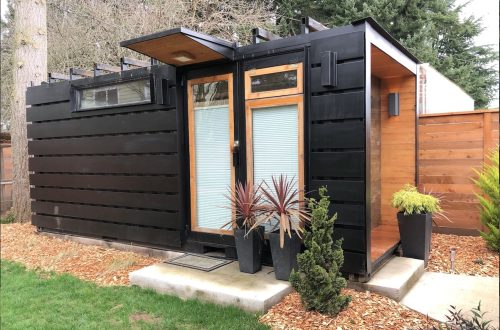
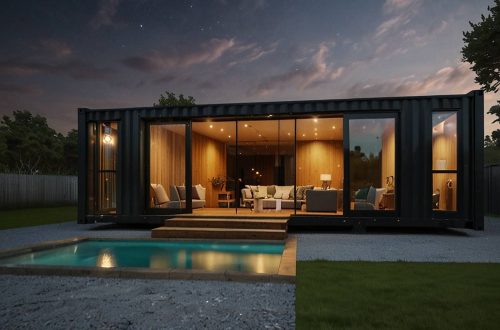
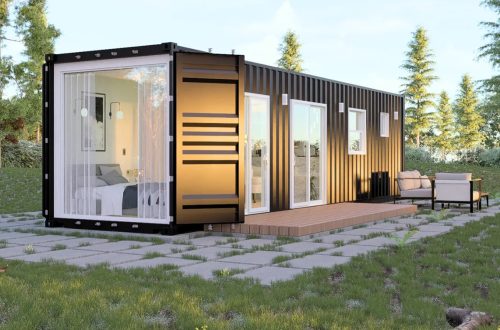
Granny suites come in various forms, from basement or attic conversions within the primary home to fully detached tiny homes in the backyard. Each layout offers unique possibilities based on the homeowner’s needs, budget, and available space. Many granny suites are designed with accessibility in mind, incorporating features like walk-in showers, wider doorways, and ramps to ensure safety and ease of movement for elderly residents.
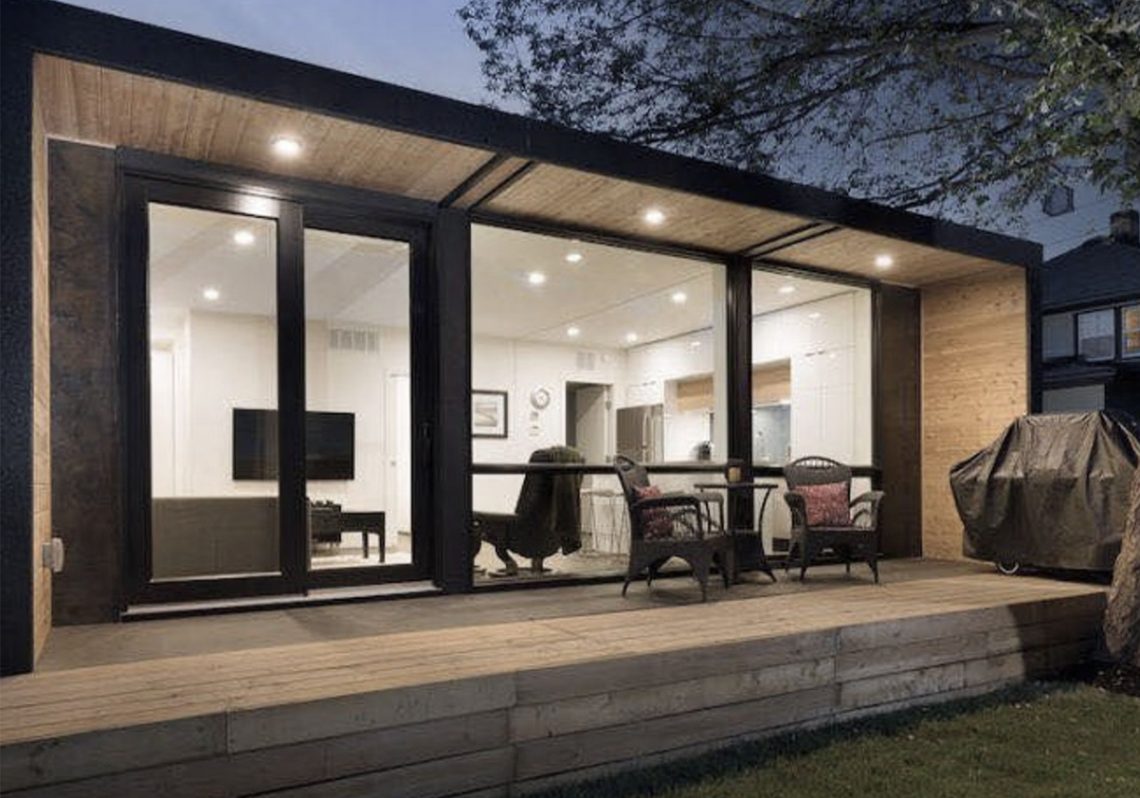
Architects and designers are increasingly tailoring these spaces to include natural light, open floor plans, and simple, modern decor to create a cozy and functional environment. Some units feature small but fully equipped kitchens, living rooms, and private bathrooms to provide a comfortable, independent living experience. Outdoor patios or small gardens add an extra level of comfort, allowing elderly relatives to enjoy fresh air and greenery without venturing too far from home.
Challenges and Considerations
Despite their appeal, building a granny suite comes with challenges, particularly around zoning and permitting. Local building codes and zoning regulations vary by region, and in some areas, adding a granny suite may not be permitted. Before construction, homeowners should research their local zoning laws and apply for the necessary permits. Some municipalities have strict regulations on the size, location, and appearance of ADUs, as well as requirements for adequate parking and utility access.
The cost of construction is another consideration. While granny suites are often more affordable than purchasing a separate home or paying for long-term care facilities, construction costs can add up quickly. Homeowners should budget for essentials like plumbing, insulation, electrical wiring, and accessibility features. In cases where the suite will be used for elderly family members, modifications like non-slip flooring, grab bars, and wheelchair accessibility may be necessary.
Additionally, living arrangements need to be carefully planned to ensure that both the homeowner and the resident of the suite feel comfortable. Privacy is essential, especially if the suite is being used as a rental unit or by an adult child. Soundproofing and separate entrances are commonly included in granny suite designs to minimize disruption and promote a sense of autonomy for everyone involved.
The Future of Granny Suites in Housing
As multigenerational living becomes more common, the demand for granny suites is expected to grow. With more people seeking alternatives to costly senior care facilities and young adults facing high rents and housing prices, granny suites offer a flexible, long-term housing solution. Some states and cities are relaxing zoning restrictions to accommodate the growing interest in ADUs, recognizing that granny suites can help address housing shortages and support sustainable urban development.
In response to this trend, many companies now offer prefabricated ADUs, which reduce construction time and costs. These units can be delivered directly to the property and assembled on-site, making it easier for homeowners to add a granny suite without extensive renovations. Some models are even designed to be energy-efficient, featuring solar panels, insulated walls, and efficient heating and cooling systems, aligning well with the increased emphasis on sustainable housing.
Conclusion
Granny suites provide a practical and adaptable solution for families seeking multigenerational housing options. By enabling elderly relatives to age in place, supporting young adults, and generating rental income, these units address a variety of needs and lifestyles. While zoning regulations and construction costs pose challenges, the flexibility, financial benefits, and family-centered advantages of granny suites make them an attractive option in today’s housing market.
As society shifts toward more inclusive housing options, granny suites are likely to become an integral part of future home design, reflecting a greater emphasis on family, community, and sustainable living. Whether used for elder care, guest accommodation, or additional income, granny suites offer a meaningful way for families to stay connected and support one another across generations.