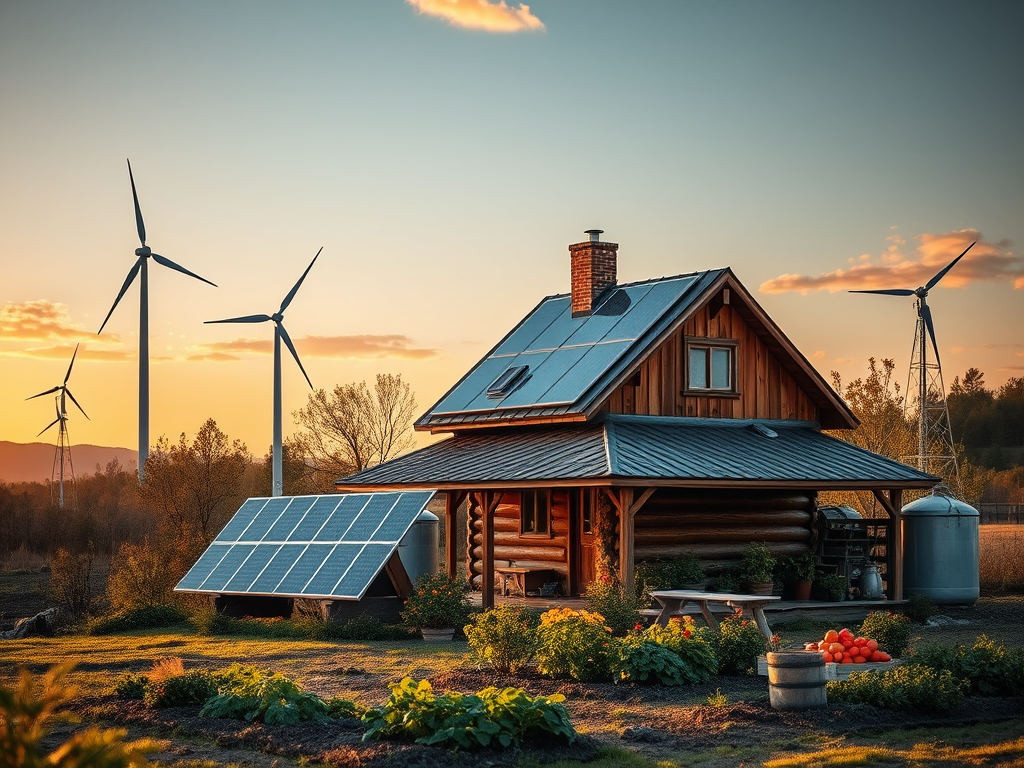
What Is Off-Grid Living?
A Complete Guide to Living Independently and Sustainably.
Off-grid living is a lifestyle choice centered on independence, self-reliance, and sustainability. As more people seek freedom from rising utility costs, environmental concerns, and modern stressors, off-grid living has become an increasingly popular alternative to traditional living. But what does it really mean to live off the grid, and what does it involve in practice?
This guide explains what off-grid living is, how it works, and why people choose this lifestyle.
What Does “Off-Grid” Mean?
Living off-grid means living without reliance on public utilities such as electricity, municipal water, natural gas, and sewage systems. Instead, off-grid households generate their own power, source their own water, manage waste independently, and often grow or produce part of their own food.
The term “grid” refers to centralized infrastructure systems that supply electricity, water, and services to homes. Off-grid living removes or significantly reduces dependence on those systems.
Off-grid living can range from completely disconnected, remote homesteads to partially off-grid homes that still maintain limited grid access.
Core Components of Off-Grid Living
Off-grid living relies on several essential systems working together. These systems replace the services normally provided by municipalities and utility companies.
Power Generation
Most off-grid homes generate electricity using renewable energy sources such as:
- Solar panels
- Wind turbines
- Micro-hydro systems
Energy is typically stored in battery banks to provide power during cloudy days or at night. Many off-grid setups also include backup generators for emergencies.
Water Supply
Off-grid water sources may include:
- Wells
- Rainwater harvesting systems
- Springs or nearby water bodies
Water is often filtered and treated on-site to ensure safety for drinking, cooking, and bathing.
Waste Management
Without municipal sewage, off-grid homes manage waste using:
- Septic systems
- Composting toilets
- Greywater recycling systems
These methods reduce environmental impact while maintaining sanitation.
Heating and Cooling
Heating is often achieved through:
- Wood stoves
- Pellet stoves
- Passive solar design
Cooling is typically handled through natural ventilation, insulation, and energy-efficient building design rather than air conditioning.
Types of Off-Grid Living
Off-grid living is not a one-size-fits-all approach. People choose different levels of independence depending on their goals, location, and resources.
Fully Off-Grid
Fully off-grid homes are completely disconnected from public utilities. All power, water, food production, and waste systems are self-managed.
Partially Off-Grid
Some homes generate their own electricity or water but remain connected to certain utilities for convenience or backup.
Off-Grid Communities
Off-grid communities share resources such as solar power systems, gardens, or water infrastructure while still living independently from major utility grids.
Why People Choose Off-Grid Living
There are many reasons why individuals and families choose to live off-grid.
Financial Independence
While the upfront costs of off-grid systems can be high, long-term living expenses are often much lower. Monthly utility bills are minimal or nonexistent, reducing dependence on rising energy costs.
Environmental Sustainability
Off-grid living often emphasizes renewable energy, conservation, and minimal waste. Many off-grid households aim to reduce their carbon footprint and live in harmony with nature.
Self-Reliance and Freedom
Living off-grid provides a sense of control and independence. Residents are less affected by power outages, water shortages, and economic fluctuations.
Simpler Living
Off-grid living often encourages a slower, more intentional lifestyle focused on essentials rather than constant consumption.
Challenges of Off-Grid Living
While off-grid living offers many benefits, it also comes with challenges that require careful planning.
Initial Costs
Installing solar panels, batteries, wells, and septic systems can require significant upfront investment. However, these costs are often offset over time by reduced expenses.
Maintenance and Responsibility
Off-grid systems require regular monitoring and maintenance. Homeowners must understand how their systems work and be prepared to troubleshoot issues.
Lifestyle Adjustments
Living off-grid often requires adjusting daily habits, such as conserving water, managing energy use, and planning food supplies carefully.
Legal and Zoning Considerations
Some regions have building codes, zoning laws, or regulations that affect off-grid living. Researching local laws is essential before committing to this lifestyle.
Off-Grid Living and Food Production
Many off-grid households grow at least some of their own food. Gardening, raising livestock, hunting, fishing, and food preservation are common practices.
Popular off-grid food strategies include:
- Vegetable gardens and greenhouses
- Chickens for eggs
- Root cellars and food storage
- Canning and dehydration
Food self-sufficiency reduces grocery costs and increases resilience.
Is Off-Grid Living Right for You?
Off-grid living isn’t for everyone. It requires planning, adaptability, and a willingness to learn. However, for those who value independence, sustainability, and a deeper connection to nature, it can be highly rewarding.
Before transitioning, many people start small—installing solar panels, growing food, or reducing utility dependence—before fully committing.
The Future of Off-Grid Living
As technology advances, off-grid living is becoming more accessible. Improved solar efficiency, battery storage, and smart energy systems make self-sufficient living easier and more reliable than ever.
With rising interest in sustainability and resilience, off-grid living continues to attract people seeking alternatives to conventional lifestyles.
Conclusion
Off-grid living is about more than disconnecting from utilities—it’s about creating a lifestyle built on independence, sustainability, and intentional living. By generating your own power, managing resources responsibly, and embracing self-reliance, off-grid living offers a powerful way to regain control over how you live.
For those willing to plan carefully and adapt, off-grid living can provide long-term freedom, resilience, and a closer connection to the natural world.


You May Also Like

What are the advantages of selling a home privately?

Best Forms of Exercise in Winter
